Dinosaur National Monument: Fossils, Hikes & River Rafting
Updated: Sep 5
Some national parks impress you with sheer size. Dinosaur National Monument wins families over with something stranger and more surprising: real dinosaur bones still locked in the rock where scientists found them.
And we're embarrassed to say we'd never even heard of this national park until a few years ago.
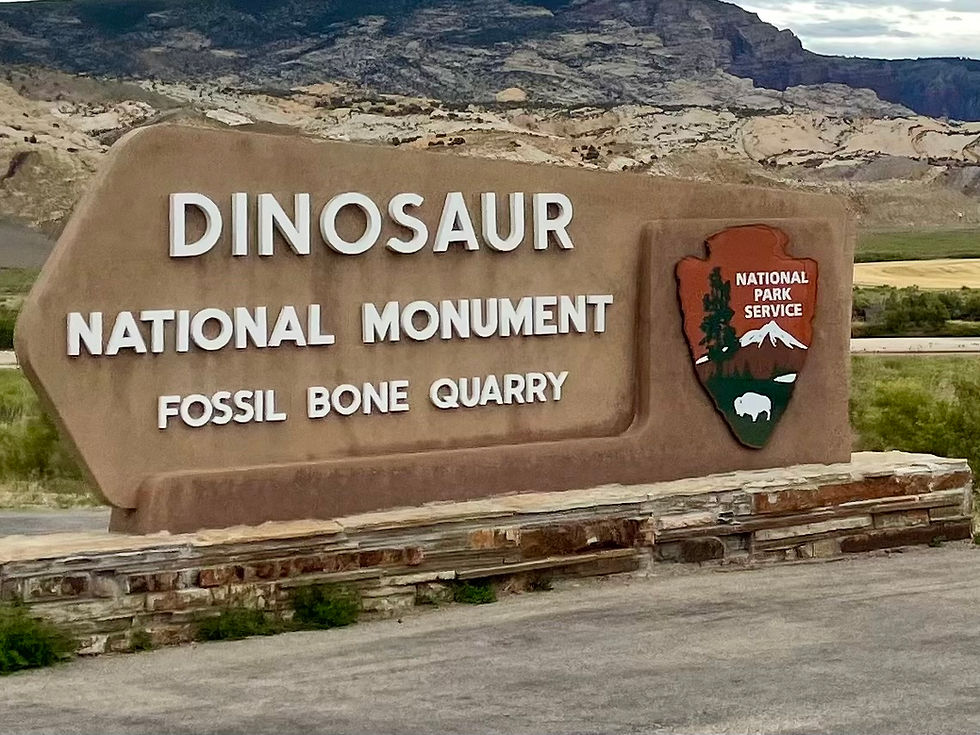
Set along the Utah and Colorado border, this hidden gem blends a fossil quarry, desert trails, canyon overlooks, ancient petroglyphs, and two wild rivers. It is the rare place where kids can go from staring at a massive Allosaurus-era fossil wall in the morning to splashing along the Green River by afternoon.
And this isn't a stop just for the kids. With ancient fossils you can touch with your bare hands, the awe factor here is off the charts for kids and parents alike.
Dinosaur National Monument Hits Differently
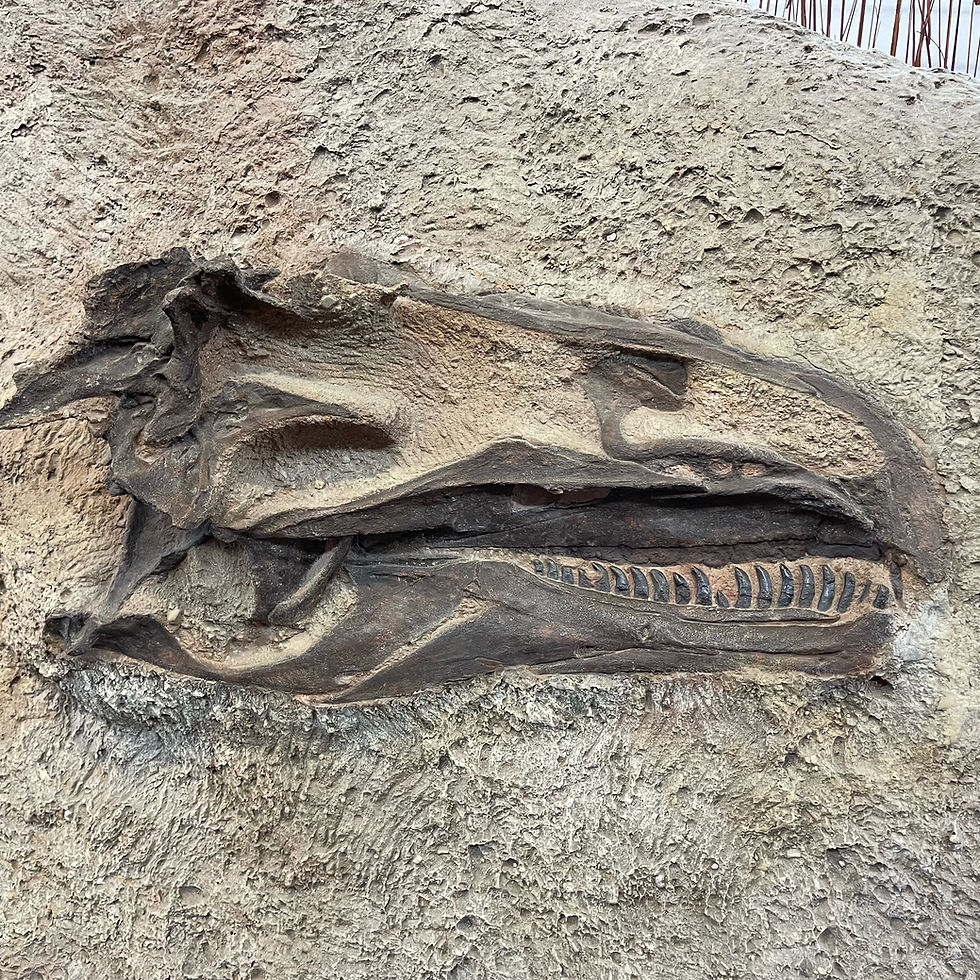
Dinosaur National Monument is not a theme park with replica skeletons placed behind ropes. Its star attraction, the Quarry Exhibit Hall, protects a real fossil bed known as the Wall of Bones. More than 1,500 dinosaur bones are visible in the tilted rock layer, including fossils from long-necked sauropods and powerful meat-eaters.
The story behind it is just as fun as the fossils. Picture a riverbank from the Late Jurassic Period, roughly 150 million years ago. Dinosaurs died near the water, floods moved their bones, and sediment buried them. Over time, those bones turned to stone. Much later, erosion exposed the fossil layer again, like nature had opened a very old book to the same page.
Start at the Quarry Exhibit Hall
The Quarry Exhibit Hall is the best first stop for families, especially if children are excited about dinosaurs. Inside, large windows and a protected indoor viewing area let you see the fossil wall up close without worrying about weather.

Give everyone time to look slowly. At first, the wall may seem like a rocky surface with odd shapes. Then femurs, ribs, vertebrae, and skull pieces start to appear. It feels a little like a prehistoric “I Spy” game.
Families can also see exhibits that explain the ancient environment, the animals that lived here, and how paleontologists study fossils. Rangers often add helpful context, and kids tend to ask excellent questions.

A good tip: visit the quarry earlier in the day if you can. Mornings are cooler, and younger kids usually have more energy for looking, listening, and climbing in and out of the car between stops.
Family Hikes Come with Big Rewards
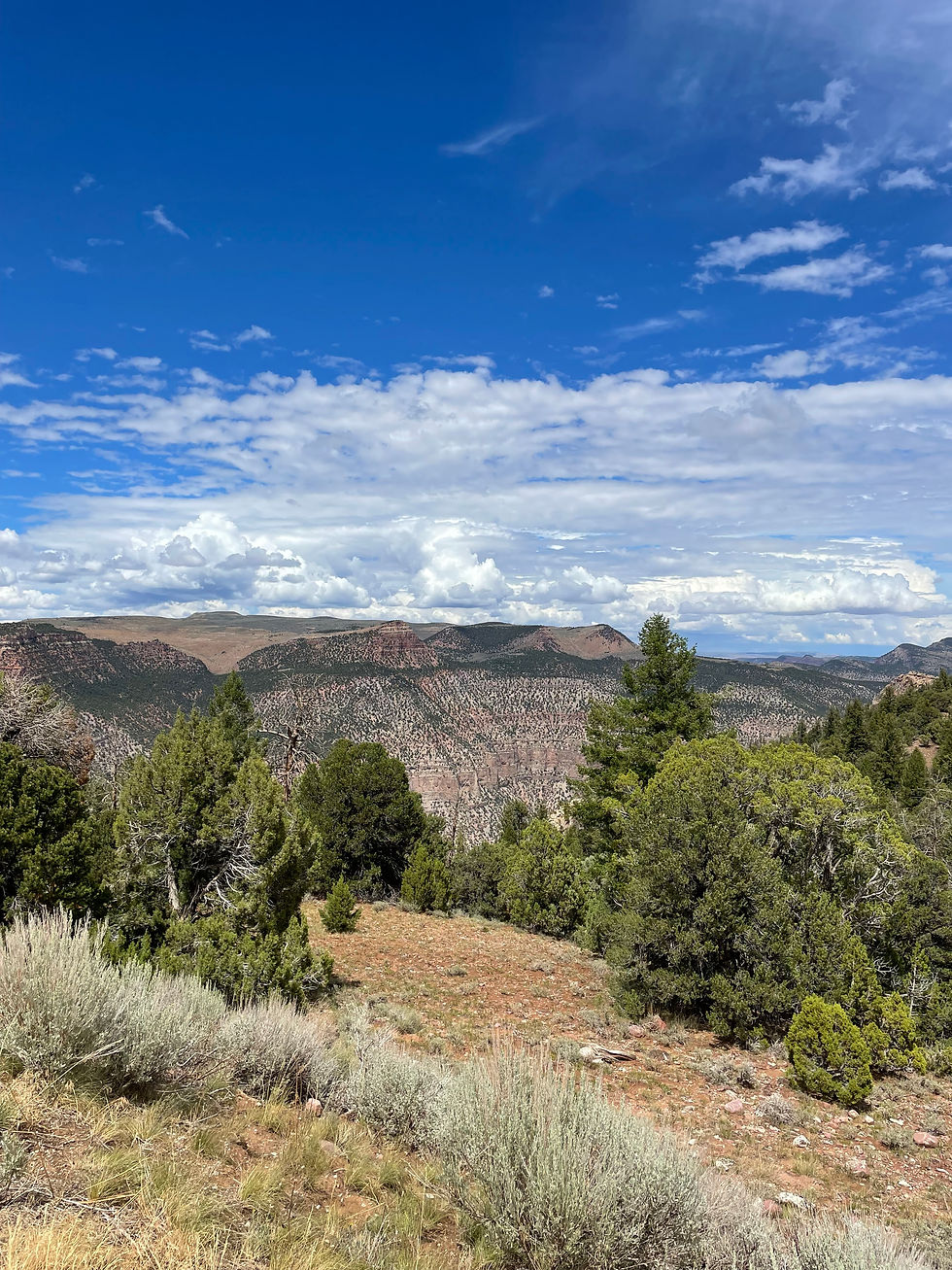

You do not need to be a serious hiker to enjoy the monument. Many of the best family walks are short, scenic, and packed with things to notice.
The Fossil Discovery Trail is a favorite because it connects the landscape with the fossil story. Along the way, families can see exposed rock layers and imagine how the ancient world changed over time. It is best for kids who like looking closely at rocks, tracks, plants, and tiny desert details.
For a bigger view, head toward the monument’s scenic drives and overlooks. The desert can look quiet at first, but it rewards patience. Watch for lizards warming on rocks, ravens riding air currents, and cottonwoods marking water in the canyons.
Have More Time? Consider River Rafting
Dinosaur National Monument is also river country. The Green River and Yampa River cut through dramatic canyons, creating some of the area’s most memorable scenery.
Families with older kids may love a guided rafting trip. Depending on the route and season, trips can range from calm scenic floats to more adventurous whitewater. A licensed guide can help match the trip to your group’s comfort level, swimming ability, and age range.
Even if rafting is not on the schedule, spending time near the river adds a lot to the visit. The contrast between cool water, steep canyon walls, and dry desert makes the landscape feel alive.
Fun fact for the car ride: Some dinosaurs that lived in this region were enormous plant-eaters, but they did not chew like humans do. Many swallowed plant material in big bites. Some may have swallowed stones, called gastroliths, to help grind food inside their bodies.
The Best Time to Visit
Spring and fall are often the most comfortable seasons; that's when daytime temperatures are usually better for hiking, and the light on the cliffs can be beautiful.
Summer works well for rafting and school breaks, but heat can be intense. Plan outdoor activity early and save indoor stops, scenic drives, or rest time for the hottest part of the day.
Winter can be quiet and peaceful, though some services may be limited and weather can affect roads. Always check current conditions before heading out, especially if you plan to explore beyond the main quarry area.
Dinosaur National Monument is the kind of place that works best when the schedule has room to breathe. See the quarry, take a hike, enjoy a river view, and leave space for the small discoveries kids always make, like a strange rock shape, a lizard darting across the trail, or a cloud that looks suspiciously like a Stegosaurus.
The fossils may bring your family here, but the canyons, rivers, petroglyphs, wide skies, and quiet trails are what make people want to come back. For a trip that feels adventurous without being overwhelming, Dinosaur National Monument is a family getaway with a real sense of wonder.


