How to Outsmart Pickpockets When Traveling with Kids (Without Ruining the Fun)

Traveling with kids is an incredible way to build family memories, but navigating dense crowds at world-famous landmarks can spike any traveler’s blood pressure—and that’s before you even factor in the kiddos.
When you are busy holding little hands, wiping faces, and managing snacks, it’s easy for your guard to naturally drop. Fortunately, staying safe in busy tourist spots doesn’t mean you have to result to full-blown paranoia. With a few practical habits and a bit of pre-trip planning, you can protect your valuables and keep your family secure without ruining the fun of your vacation.

Before You Go: Prep and Play
The best travel safety decisions happen in your living room…long before you pack your bags.
Create digital backups: Take photos of your family’s passports, driver’s licenses, and visas. Email them to yourself and leave a printed copy with a trusted friend or family member at home. If you lose your physical documents, having copies speeds up the replacement process.
Enable device tracking: Turn on features like “Find My” for all smartphones, tablets, and smartwatches. Ensure you know the passwords required to log into your cloud accounts from a different device so that you can remotely lock them if they vanish.
Make safety a game: You don’t want to terrify your kids with talk of thieves and danger. Instead, turn crowd safety into a game. Call it the “Secret Agent” game. Tell your kids they are on a special mission to stay within arm’s reach of “Headquarters” (aka Mom and Dad). Ask them to be your spotters: “Who can find the nearest exit sign?” or “Who can spot three people wearing yellow hats?” This keeps them highly engaged with their surroundings rather than wandering off.
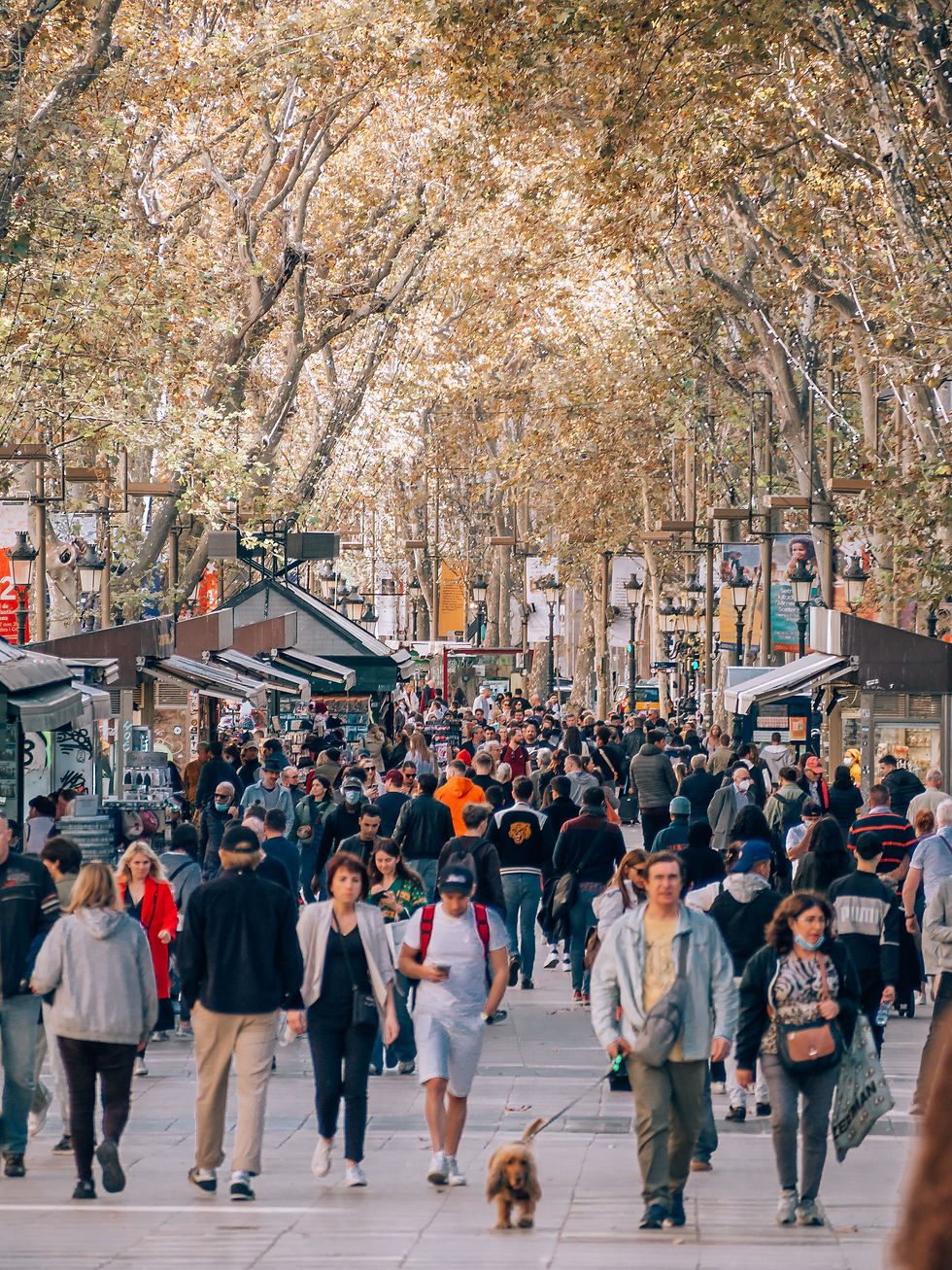
Navigating the World’s Pickpocket Hotspots
Certain global destinations are notorious for petty theft simply because they draw massive, distracted crowds. Be on high alert in places like:
Barcelona, Spain: Las Ramblas and the Gothic Quarter.
Paris, France: The Eiffel Tower base, Sacré-Cœur, and the Metro.
Rome, Italy: The Trevi Fountain and the endless lines outside the Colosseum.
Prague, Czech Republic: The Charles Bridge and Old Town Square.
When talking about pickpockets, it is crucial to avoid falling into racist or xenophobic tropes. A common mistake tourists make is keeping an eye out for people who look “sketchy” or different from them. Successful thieves rarely look like cartoon villains. Instead, they often dress exactly like fellow tourists, complete with cameras and maps, or they look like well-dressed business professionals.
Instead of profiling people based on appearance, profile situations. Pickpockets rely on the physical cover of a crowd and the power of distraction. Be wary of anyone who suddenly bumps into you, spills something on your jacket, or aggressively shoves a petition or trinket into your hands. The safest approach is a polite but firm “no,” while keeping your hands on your belongings and continuing to walk.
Everyday Precautions in the Crowd
Wear the right bag: Ditch the backpack for your valuables. Use a crossbody bag with a sturdy zipper and keep it pulled in front of your body.
Empty your back pockets: Never put a phone or wallet in a rear pants pocket; it is the easiest target in a crowded train.
Divide your resources: Don’t carry all your family’s cash and credit cards in one wallet. Split them between grown-ups, and leave the bulk of your cash and your physical passports in your hotel room’s safe unless local laws require you to carry the passport.
What to Do If the Worst Happens
Even the most cautious travelers can have a bad day. If you realize your phone or passport is gone, take a deep breath. Getting pickpocketed doesn’t mean you failed; these thieves are well practiced.
If you lose your phone: Immediately borrow a device (from your partner or a hotel concierge) and log into your cloud account to remotely lock your device and wipe its data. Change the passwords to your mobile banking and email accounts.
If you lose your passport abroad: A lost U.S. passport means you cannot fly home until it is replaced. First, file a local police report. While not always legally required, travel insurance companies usually demand it, and the embassy will want to see it.
Next, contact the nearest U.S. Embassy or Consulate immediately to report the passport stolen and request an emergency replacement. You will need to apply in person and fill out a DS-11 form. Bring your police report, new passport photos, and your travel itinerary. Consular staff are used to these emergencies and can typically issue a limited-validity emergency passport (usually good for up to one year) within a day or two so you can get your family home.
A family vacation is an adventure, and bumps in the road are just part of the journey. By taking a few practical precautions, you can focus less on your pockets and more on the incredible places you are exploring with your kids.


