Visiting the Smithsonian Natural History Museum with Kids: A Survival Guide
Updated: Sep 5
A trip to Washington, DC, can be an absolutely magical exploration of history, culture, food, and wonder. It can also be a marathon of museums, meals on the go, and meltdowns.
The Smithsonian National Museum of Natural History is one of those special spots that caters to parents and kiddos, and it can be a win-win when it comes to enjoying a morning or afternoon with the family. But stay sharp. If you're not careful, a “quick visit” can easily turn into a three-hour spiral of fossils, gems, mammals, bugs, bathrooms, snack requests, and one child lying dramatically on a bench.
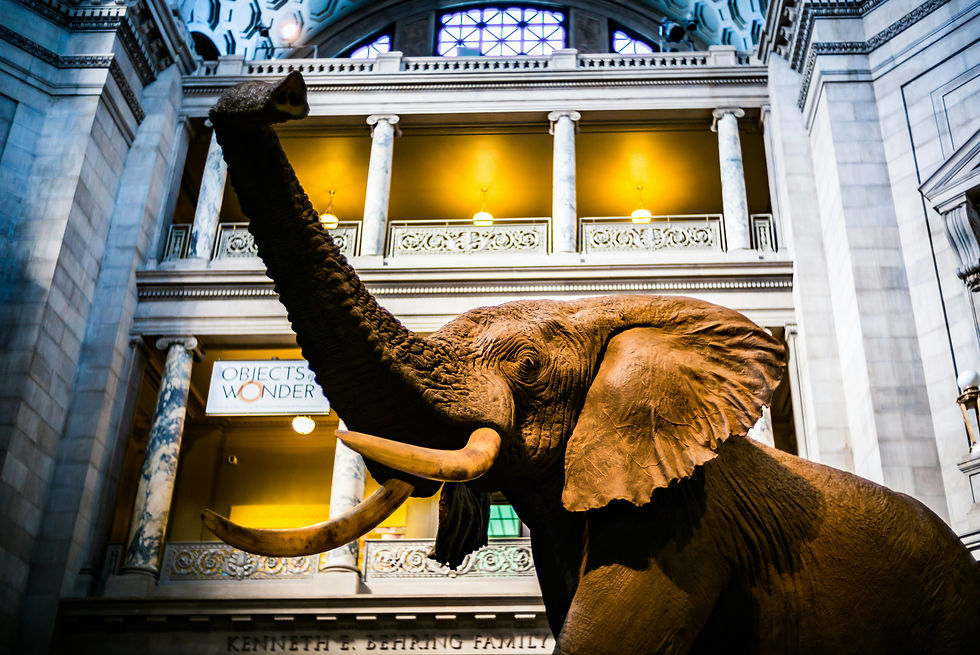
Here we share our tips for making the most of your time—and not reaching for too much.
Even as somebody who likes to go all out with museums, theme parks, and trips, I've learned that with kids, the goal needs to be a visit that feels exciting, not exhausting.
And with the National Museum of Natural History, the museum is enormous, admission is free (you read that right), and there is no ticket required for general entry. That freedom is wonderful, and it should help you avoid feeling the temptation to overstay.
Start with the Right Goal
This museum is mammoth massive, and realizing it's too big to cover in a day lowers the pressure on the visit right away.
A better goal sounds like this:
Pick a few things your kids will remember, then leave while the visit still feels fun.
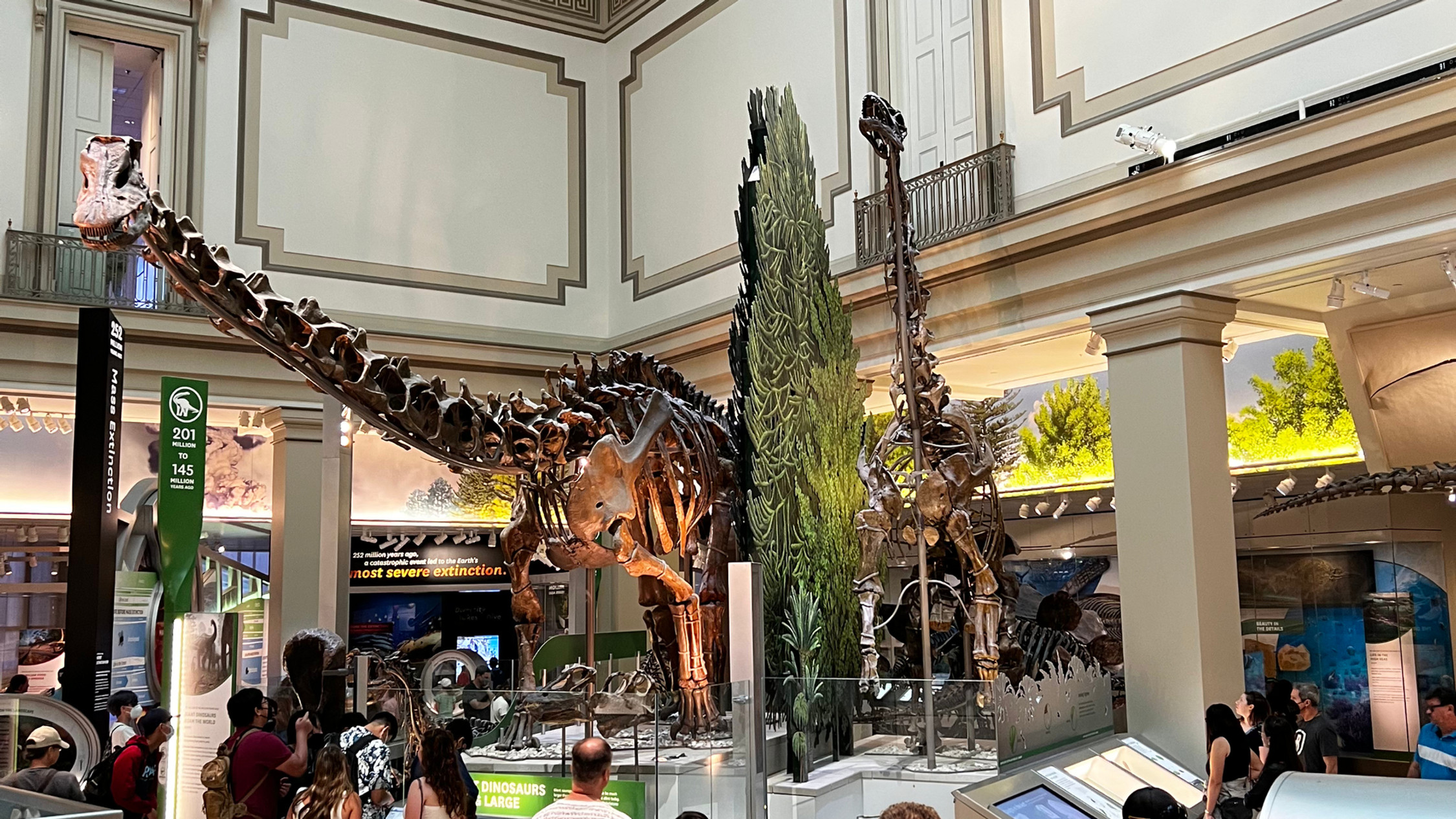
That might mean dinosaurs, mammals, gems, and a snack. It might mean the Insect Zoo and one fossil hall. It might mean your toddler only loves the elephant, the escalators, and the outdoor break on the National Mall. That still counts as a good museum visit.
You've got big history here, but the wins are not in the details. Think big. Dinosaurs are easy. Big animals are easy. Sparkly gems are easy. Bugs can be surprisingly thrilling for the right child.
What does not work as well is wandering without a plan and hoping the day will naturally unfold. The museum has too many choices, and choice fatigue hits children fast.
Choose Your Own Adventure—Before You Go
The museum website makes it easy to pick your route before you go.
A simple list might look like this:
That is enough.
If you finish early and everyone still has energy, you can add something else. If not, you still had a complete visit.
Arrive Early and Know the Basics
The museum is generally open from 10 a.m. to 5:30 p.m., and general admission is free with no tickets required. Hours can change for special events, holidays, or maintenance, so it is still wise to check the museum’s official site before you go.
Arriving close to opening helps in several ways. Security lines are often easier earlier in the day, popular exhibits can feel less crowded, and kids usually have more energy in the morning. It also gives you room to leave after lunch without feeling like you missed the whole day.
If your schedule is flexible, consider visiting Monday through Wednesday. The museum recommends those days when possible, and weekdays are usually easier than peak weekend times.
That does not mean weekends are a bad idea. It just means you should lower your expectations for how much ground you will cover—or how crowded the space will be. On a busy Saturday, two or three memorable stops may be plenty.
Storage Is Limited; Travel Light
Everyone goes through security when entering the museum. That alone is a reason to pack less.
The museum does not offer coat check or lockers; everything you bring needs to stay with you. Think carefully before carrying extra jackets, bulky bags, souvenirs from earlier stops, or a full day’s worth of “just in case” items.
Strollers are permitted, and small pushed wagons are allowed. That can be a huge help with younger kids, especially if you are combining the museum with walking on the National Mall.
Tip: You will enjoy the museum more if your hands are free and your bag is not fighting you in every crowded gallery.
Choose Your First Stops Wisely
There is no one perfect route through the Natural History Museum with kids, but there are a few smart ways to think about order.
Start with the exhibit your child cares about most. If dinosaurs are the reason you came, do dinosaurs first. (Let's be honest: We all like the dinosaurs.) Do not save the main event for later, when everyone is tired.
After that, switch gears. Follow a high-energy hall with something calmer. Follow a darker or more crowded area with a more open one. Gems can be a good change of pace after fossils. Animals can be easier for younger kids because they recognize more of what they see.
Avoid making your route too logical from an adult perspective. The most efficient path on the map is not always the best path for kids. Sometimes it is worth walking a little farther to keep the mood good.
Know When to Skip and When to Leave
One of the best family museum skills is moving on quickly.
If an exhibit is not holding attention, skip it. If a hallway is packed, come back later or replace it with something else. If one child is done, believe them.
There is no prize for seeing every room.
For us, knowing the admission is free always makes this easier.
Make the Day Easier Outside the Museum, Too
The museum sits on the National Mall, so the rest of your day matters. A long walk before the museum can drain younger kids before you even enter. A packed schedule afterward can make it harder to leave when you should.
Build the day around the museum, not three museums, a monument walk, and dinner across town.
Also talk with kids before entering the gift shop, if you plan to visit it. Set the expectation early. Maybe everyone can choose one small item. Maybe you are only looking. The gift shop is not the place to negotiate after two hours of museum time.
Tip: We have a simple rule in our family. If we can get at Target, we're not getting it from the gift shop.
Lastly, remember: A successful family visit is not measured by how many galleries you checked off. It is measured by what your kids remember on the way home.


